Strategy
Why CTV Is the Performance Channel Marketers Can't Afford to Ignore
Streaming has overtaken broadcast and cable. Here's why CTV is now a core performance channel, and how to get started.
88% of U.S. households subscribe to at least one streaming service. If you told that to Reed Hastings, founder of Netflix, he’d say, “What?? I can’t hear you from the top of the private ski resort that I own!”
Here’s what’s inside:
- 47 billion reasons to invest in CTV advertising
- The major players in the streaming sphere
- There’s something fishy about this hit ad…
Connected television (CTV) has reached a tipping point.
As of May 2025, streaming's share of total TV viewership in the U.S. officially overtook broadcast and cable combined.
A year ago, we reported 2024 CTV ad spend was predicted to hit $25.8B. Turns out that estimate was conservative. The real number for last year was $28.79B. At this pace, CTV ad spend is projected to grow to $46.89B by 2029.
Why is this important? Because this shift officially cements CTV's status both as a mainstream entertainment platform and an essential digital marketing channel.
Here are some more spicy stats that put this shift beyond doubt:
- 90% of U.S. households use CTV devices at least once a month
- Amazon’s Prime Video flipped the switch in 2024 and made their ad-supported tier the default, now boasting 130M reach in the U.S.
- YouTube leads media companies in viewership, notching 12.4% of all TV viewing
This isn't gradual adoption. It's a continental migration. The same fundamental shift that moved ad dollars from print to digital is happening now from linear TV to CTV.
Convinced? Good. Because the Early-Mover Window Is Closing.
Despite what the numbers above may indicate, CTV is still a relatively new channel in the digital advertising landscape. But there are critical advantages for early adopters, including:
- Amazon’s entry in Q1 2024 opened a ton of ad inventory and created a buyer’s market which continues today. CPMs currently sit between $23 – $33, depending on the platform.
- CTV opens access to first-party data, which 58% of ad buyers say they’re focused on for 2025.
- Innovations are proving popular with consumers. Shoppable ads and pause ads are two examples of recent capabilities that are both popular with viewers and drivers of performance.
Major CTV Platforms
As you (or your credit card statement) may have noticed, the number of streaming services has boomed in recent years. Netflix, Prime Video, HBO Max, Hulu… the list goes on. Yet the majority of spend is concentrated around 5 main platforms:
- Hulu: As the biggest player in the U.S. CTV market, Hulu is projected to earn $3.2B in ad revenue in 2025.
- Amazon: With 130M US ad-supported viewers on Prime Video, alternate channels such as Fire TV, and the largest bank of retail consumer data on the planet, Amazon is poised to become a true CTV titan.
- Netflix: A relative newcomer, Netflix introduced an ad-supported tier in 2022 and hasn’t looked back. They now boast 94 million MAU on this tier, with revenues forecasted to increase 108.5% in 2025.
- YouTube: As the current leader among all new media companies in terms of viewership, YouTube has been aggressively expanding its CTV capabilities.
- FAST (free ad supported TV) channels: Streaming TV that doesn’t require any subscriptions can yield 30-40% lower CPMs than premium streaming.
Your CTV Action Plan
If you are ready to dip your toes into the dynamic world of CTV, here’s how to get started.
- Ensure you have budget & infrastructure to support CTV campaigns.
- Set clear goals. Define what success looks like, whether you’re going for brand awareness or direct response, and the appropriate KPIs to optimize for.
- Partner with platforms or agencies (like Ready Set) with experience in CTV advertising, a track record of success, and who can integrate with your existing strategies and goals.
- Develop a measurement and reporting strategy to track and communicate impact.
- Create compelling content. CTV is a visual medium, so invest in high-quality creative that hooks viewers quickly, adheres to standard 15–30 second slots, and is optimized for larger screens.
CTV is rapidly becoming the anchor of modern TV advertising. It blends television’s scale with digital’s targeting and measurement, giving marketers a channel that feels both familiar and new.
The challenges aren’t gone, but the landscape is maturing. Measurement standards are improving, attribution is more actionable, and while fragmentation remains, solutions to unify reporting are advancing.
As a result, many brands are shifting from pilot budgets to ongoing, strategic investments. The most effective marketers aren’t asking if CTV belongs in the mix—they’re asking how to integrate it as a core part of their media strategy.
This isn’t the replacement of linear overnight, but the trajectory is clear: CTV is on its way to becoming the default form of television. For marketers, the opportunity is to build durable advantages now, before the early-mover edge fully levels out.
Ad of the Week ✨
This week's slot goes to a sustainable seafood delivery brand, Wild Alaskan Company. By directly addressing a common pain point and offering a compelling solution, it transforms a familiar grocery store scenario into something fresh and relatable.
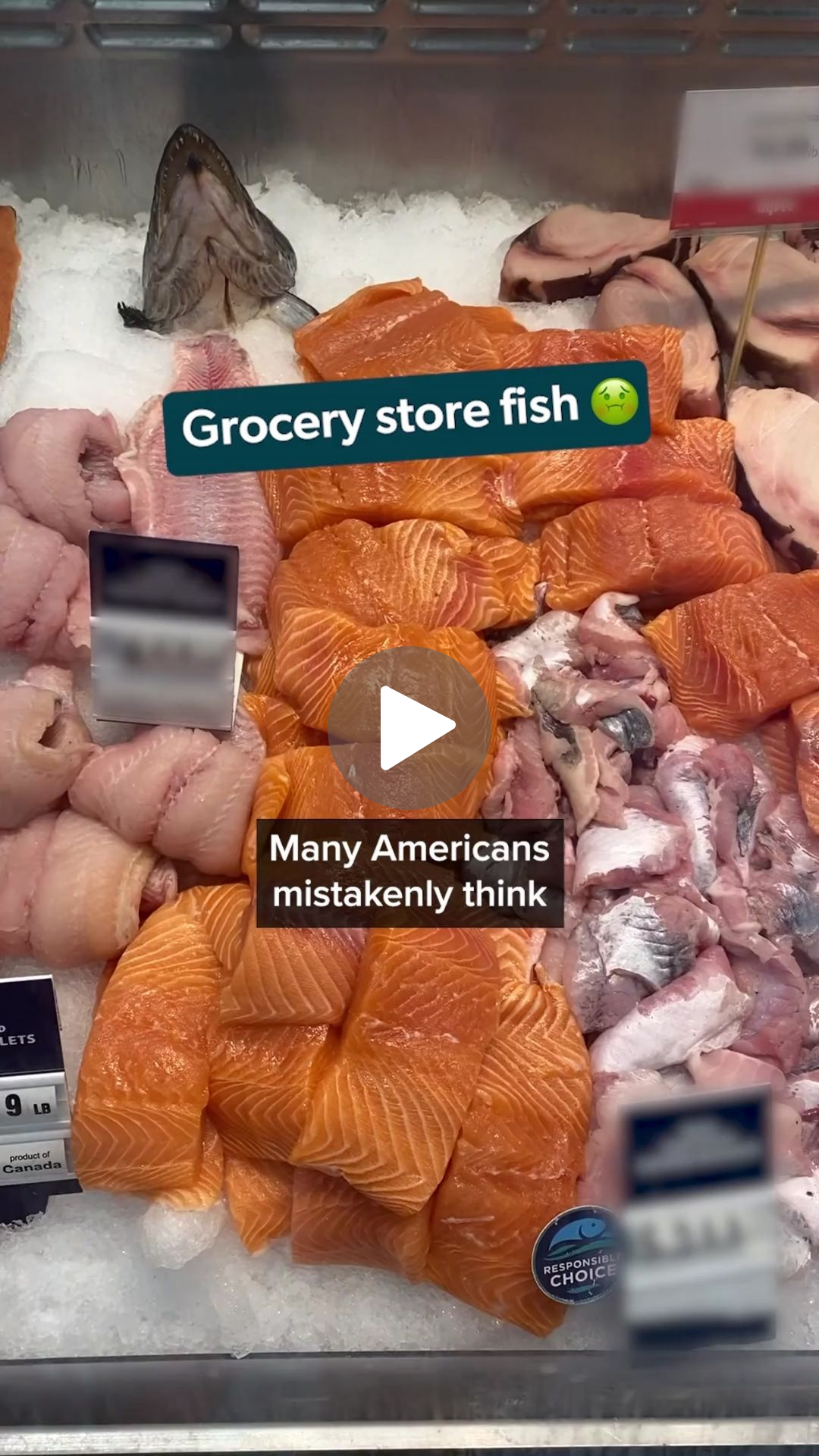
- Brand: Wild Alaskan Company
- Platform: Meta (Facebook & Instagram)
- Length: 27 seconds
Why It Works 🧠
🛒 The opening shot of fish in a grocery store is familiar and instantly grabs attention.
📜 Super only shows half the sentence, leaving the audience hanging. Many Americans mistakenly think… WHAT???
🐟 Striking visual contrast between grocery store vs. Wild Alaskan fish demonstrates the superiority of the product.
🎙️ The story of the ad is told from the founder’s perspective, adding a grounding authentic touch.
This ad works because it directly addresses a common pain point (subpar grocery store fish) and offers a compelling solution (high-quality, sustainably-sourced seafood delivered to your door).
Takeaways
- Before and after is a compelling storytelling device that naturally positions your offering as the better choice.
- There were 12 variations of this ad, which itself is a variation of a previous ad. Test, test, test till you have the winner.
- Leave ‘em hanging. No one can resist a cliffhanger.
Thanks for reading!
That’s all for this week. Seeya next time 🫶
Keep reading
More articles.


Get the good stuff in your inbox.
New articles from the Ready Set team, sent when they're published.